Commercial Mix of Carbon Allotropes
Have conducted independent material characterisation by researchers at The University of Queensland's Australian Institute for Bioengineering and Nanotechnology (AIBN), and Electron Paramagnetic Resonance (EPR) spectroscopy at UQ's Centre for Advanced Imaging. Commercial chemical analysis by ALS also support the core findings.
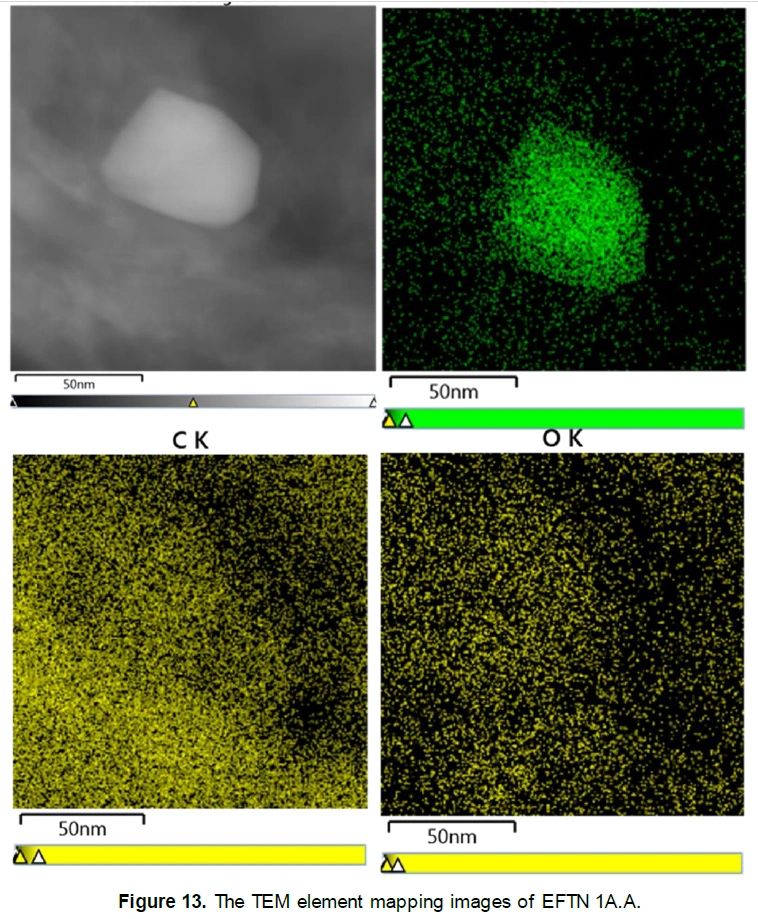
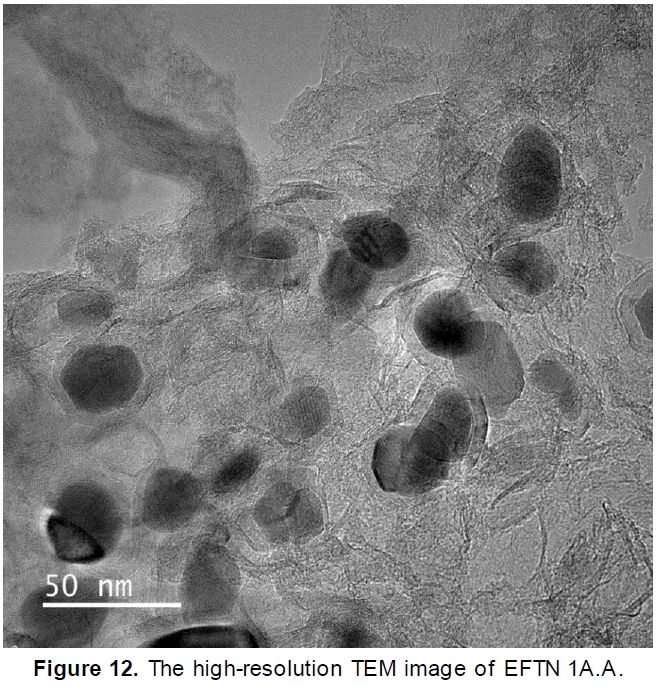
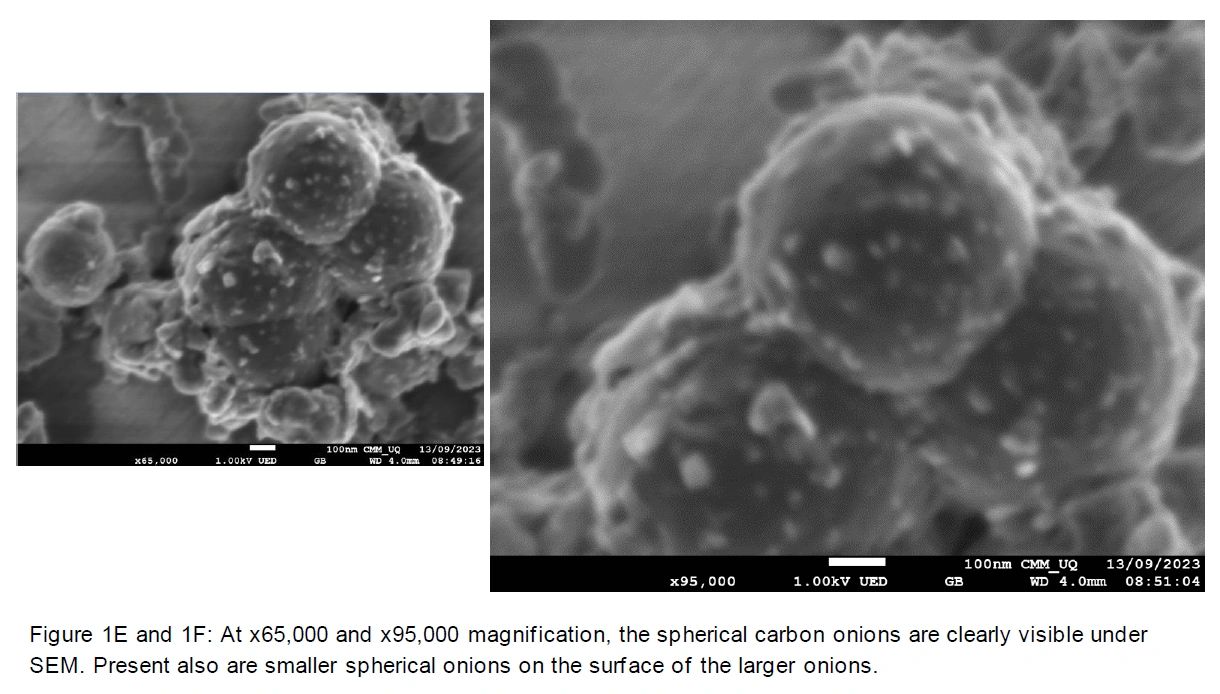
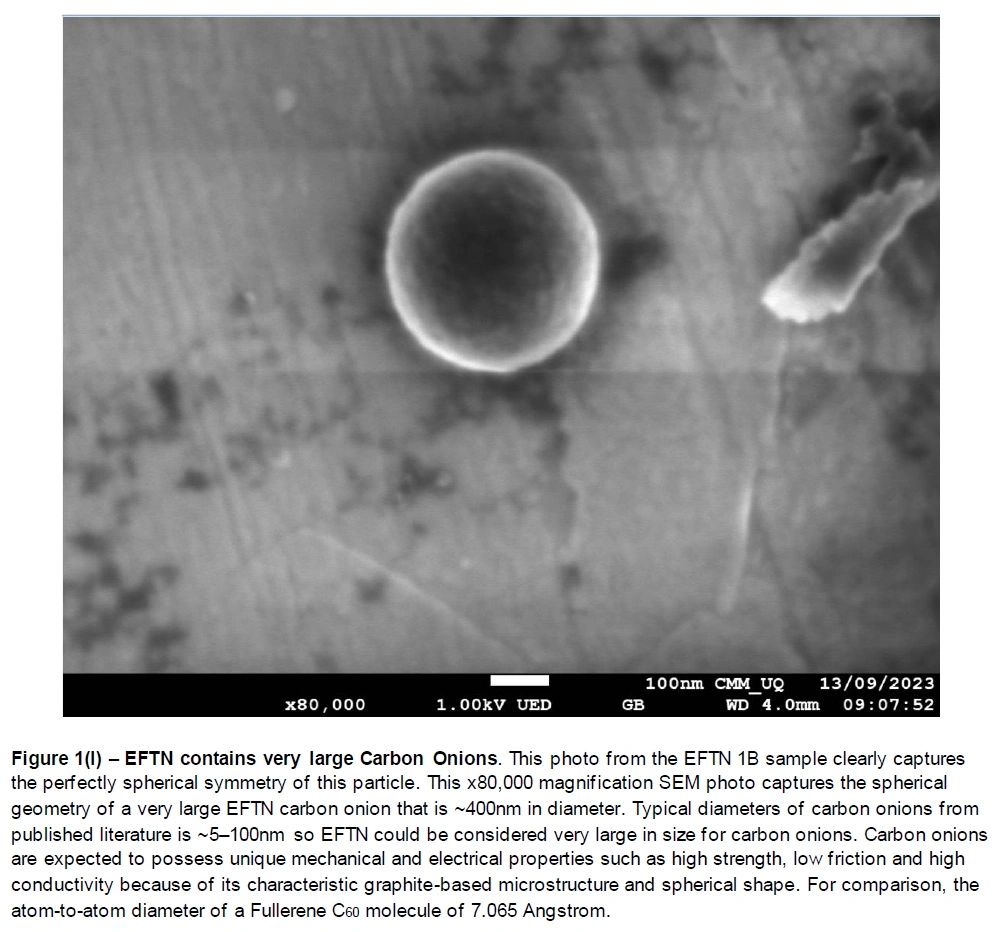
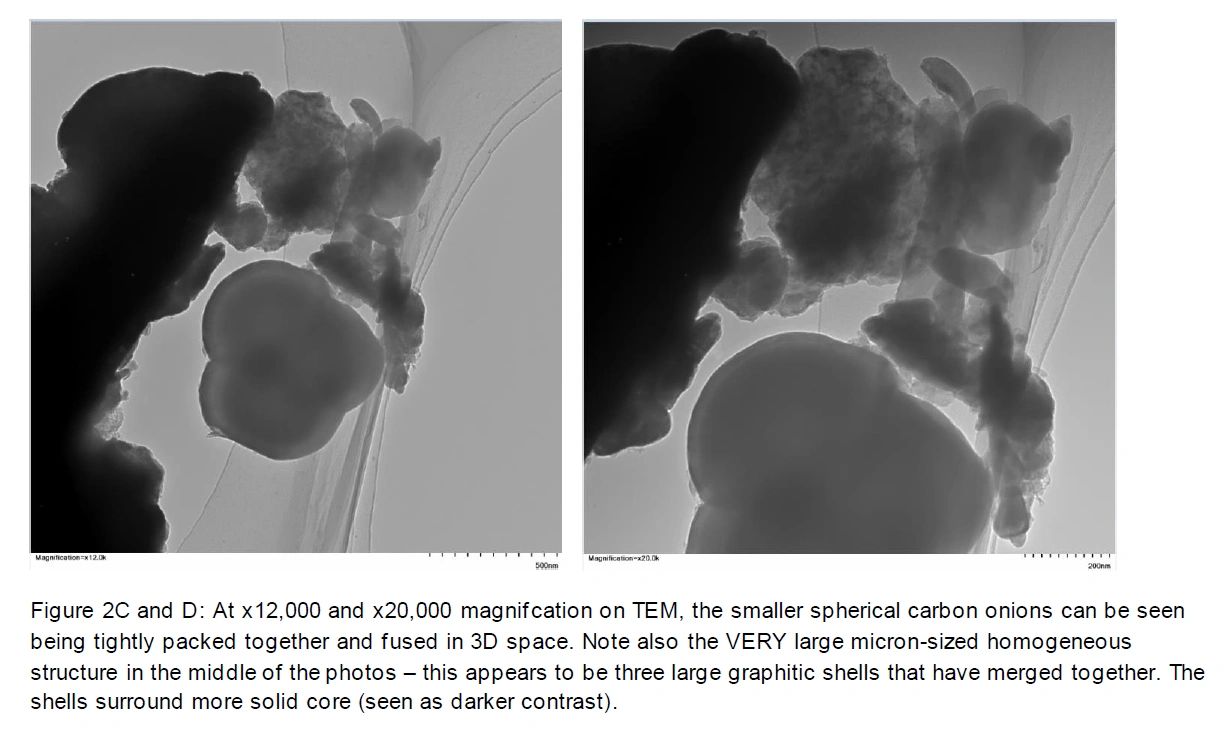
- Spherical particles from about 5 to 10 nm up to 100 to 200 nm, with some near 400 nm, fused into a hard, chemically stable material (SEM, TEM).
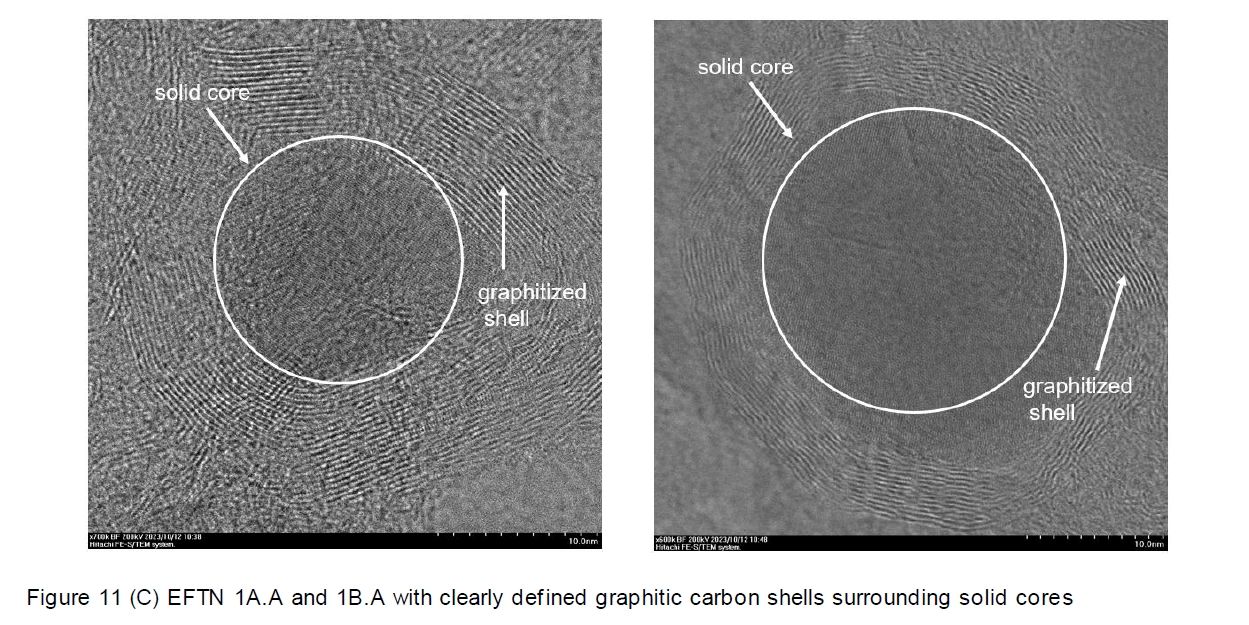
- A shell-and-core structure consistent with carbon onions across all samples (HR-TEM).
- Graphitic carbon and fullerene structures similar to C60 (XRD, Raman).
- Nitrogen detected consistently by ALS and XPS, which indicates nitrogen trapped inside carbon cages (14N@Cn).
Certificates of analysis and characterisation reports are available on request.
SUMMARY OF FINDINGS
SEM, TEM
Spherical particles from about 5 to 10 nm up to 100 to 200 nm, with some near 400 nm, fused into a hard, chemically stable material
HR-TEM
Shell-and-core carbon onion structure across all samples
XRD, Raman
Graphitic carbon and fullerene structures similar to C60
ALS, XPS
Nitrogen present in the powder (3.6% by weight in the ALS analysis)
EPR
The carbon monolith gives very broad EPR lines, consistent with the electronic structure of a conductor, with characteristic profiles for embedded Manganese and Iron
(EPR at room temperature and 100 K)
ENERGY STORAGE
Solid-state batteries: Prototypes in testing.
Carbon nano onions combine high surface area, high conductivity and structural stability, which suits solid-state batteries and supercapacitors. We have produced prototype polymer-based solid-state batteries, and laboratory trials indicate 10x the energy storage capacity of lithium-ion.
Built on more than 4,000 experiments over five years, the process now produces multi-kilogram quantities per month, several orders of magnitude above the milligram output of current laboratories.
- Nitrogen or boron doping adds pseudocapacitance.
- Composites with graphene, carbon nanotubes, conductive polymers or metal oxides raise capacitance and conductivity.
- Works with aqueous, organic and ionic-liquid electrolytes.
- Supports binder-free, flexible electrodes.
BIOTECH APPLICATIONS
Cancer Research
Completed in vitro and cytotoxicity research on the efficacy of our nanomaterial on nine cancer cell types.
Laboratory cell studies achieved over 90% cancer cell death in breast, colon and ovarian cancer cells, with live mouse trials approved to progress.
Type 2 diabetes and Alzheimer's disease
Our low-temperature extraction process is designed to retain active compounds in two plants: stevia, the source of steviol glycosides studied for their effect on glucose metabolism, and Huperzia serrata, the source of huperzine A, studied for its effect on the brain enzyme acetylcholinesterase.
A program is currently under development for this new research area.